
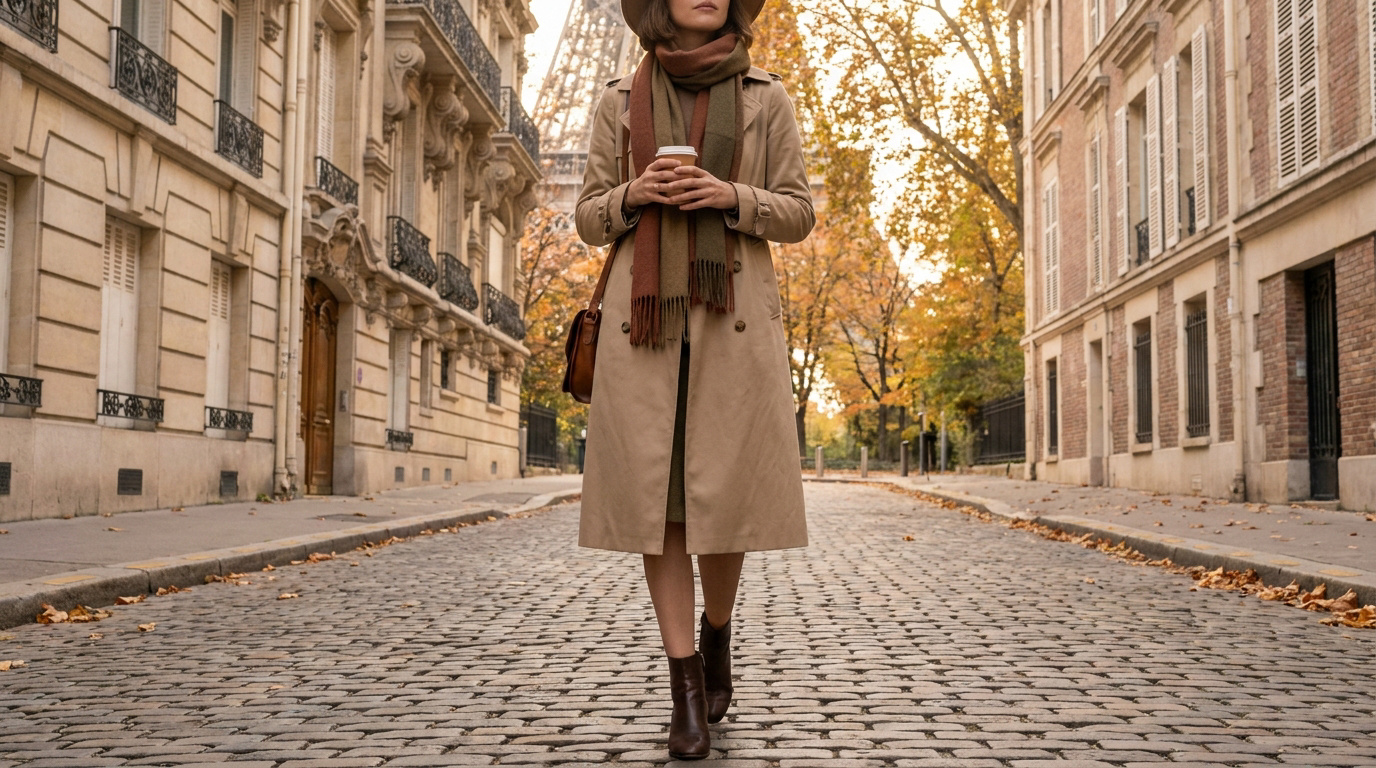
Paris in October reveals a sophisticated transition, with average temperatures gracefully descending from a mild 17°C to a crisp 10°C as the month matures. While the city enjoys approximately twenty-six dry days, the sudden onset of autumnal showers remains a definitive characteristic of the season.
Navigating these shifting conditions often results in the discomfort of being either underdressed for the damp breeze or overheated within the city’s grand museums. We have curated this guide to help you master what to wear in paris in october, ensuring your wardrobe balances thermal regulation with an unwavering aesthetic of understated elegance.
- WHAT TO WEAR IN PARIS IN OCTOBER: WEATHER AND TEMPERATURES
- CURATING A SOPHISTICATED CAPSULE WARDROBE FOR AUTUMN
- SELECTING APPROPRIATE FOOTWEAR FOR COBBLESTONES AND RAIN
- ADAPTING OUTFITS FOR MUSEUMS AND EVENING DINING
- FUNCTIONAL ACCESSORIES FOR PROTECTION AND ELEGANCE
- EFFICIENT PACKING STRATEGIES AND CULTURAL ETIQUETTE
WHAT TO WEAR IN PARIS IN OCTOBER: WEATHER AND TEMPERATURES
October in Paris sees temperatures shifting from 16°C (61°F) to 10°C (50°F). Expect roughly 15 rainy days, requiring waterproof footwear and a versatile trench coat to manage the transition from mild afternoons to crisp, damp evenings.
The atmospheric evolution of the city this month is truly striking. Early October often retains a golden, lingering warmth that feels like a final gift from summer. Yet, as the weeks progress, the foliage turns brittle and the trees begin their stark transformation into winter silhouettes.
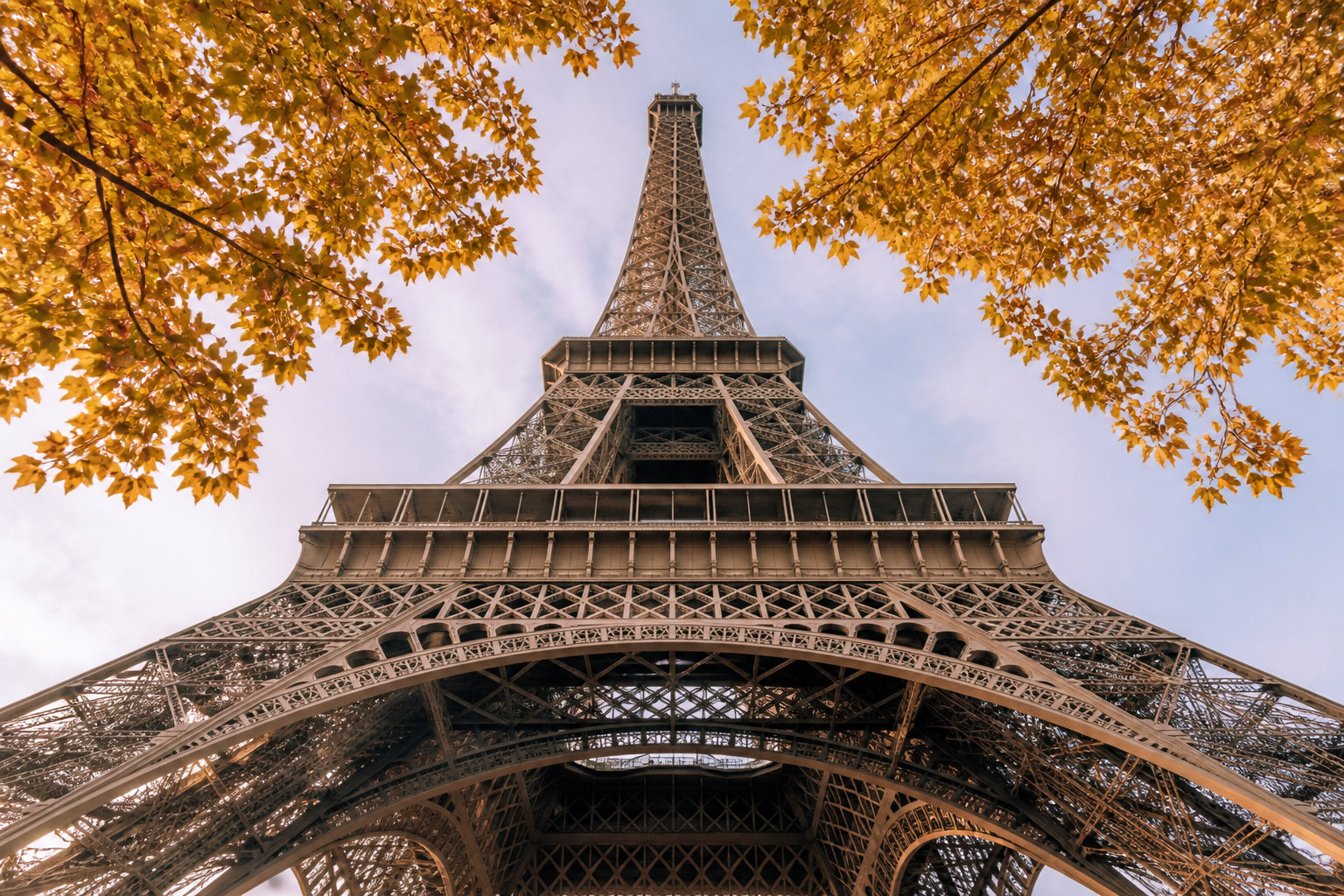
Daylight hours retreat rapidly, altering the very pulse of the streets. The vibrant energy of café terraces shifts toward the intimate, candlelit warmth of indoor bistros. Humidity rises noticeably, and a sudden wind chill can strip away the comfort of a mild afternoon in seconds.
Adaptability is your only true currency here. The psychological shift from the soft glow of autumn to the sharp, pre-winter bite is swift and uncompromising.
15°C (59°F)
12°C (54°F)
~15 days
Managing Daily Temperature Fluctuations
Mornings in the capital often carry a deceptive, biting chill. While the sun may eventually offer a mild reprieve by mid-afternoon, the wind off the Seine remains consistently sharp. One must prepare for these thermal swings.
Mastering versatile layers is the hallmark of the seasoned traveler. You will find yourself constantly adding or shedding garments as you move between the metro and the street. A light, high-quality sweater is indispensable for these transitions.
The secret to Parisian autumn is never trusting the morning sun; a sudden wind off the river can drop the perceived temperature by five degrees in minutes.
Preparing for Unpredictable Rainfall
Gray skies are the quintessential backdrop of Paris in October. While torrential downpours are infrequent, a persistent, fine drizzle is a common companion. This constant dampness can be treacherous for delicate fabrics like suede, which should stay home.
High humidity levels ensure the cold penetrates deeper than the thermometer suggests. Monitor the forecast hourly and carry a compact umbrella. Locals never leave home without one, even under seemingly clear skies.
When the drizzle persists, consider booking private tours to explore the city’s indoor treasures while remaining perfectly dry.
CURATING A SOPHISTICATED CAPSULE WARDROBE FOR AUTUMN
While the weather dictates the function, the Parisian aesthetic dictates the form, starting with a tight selection of colors and fabrics.
The Power of Neutral Color Palettes
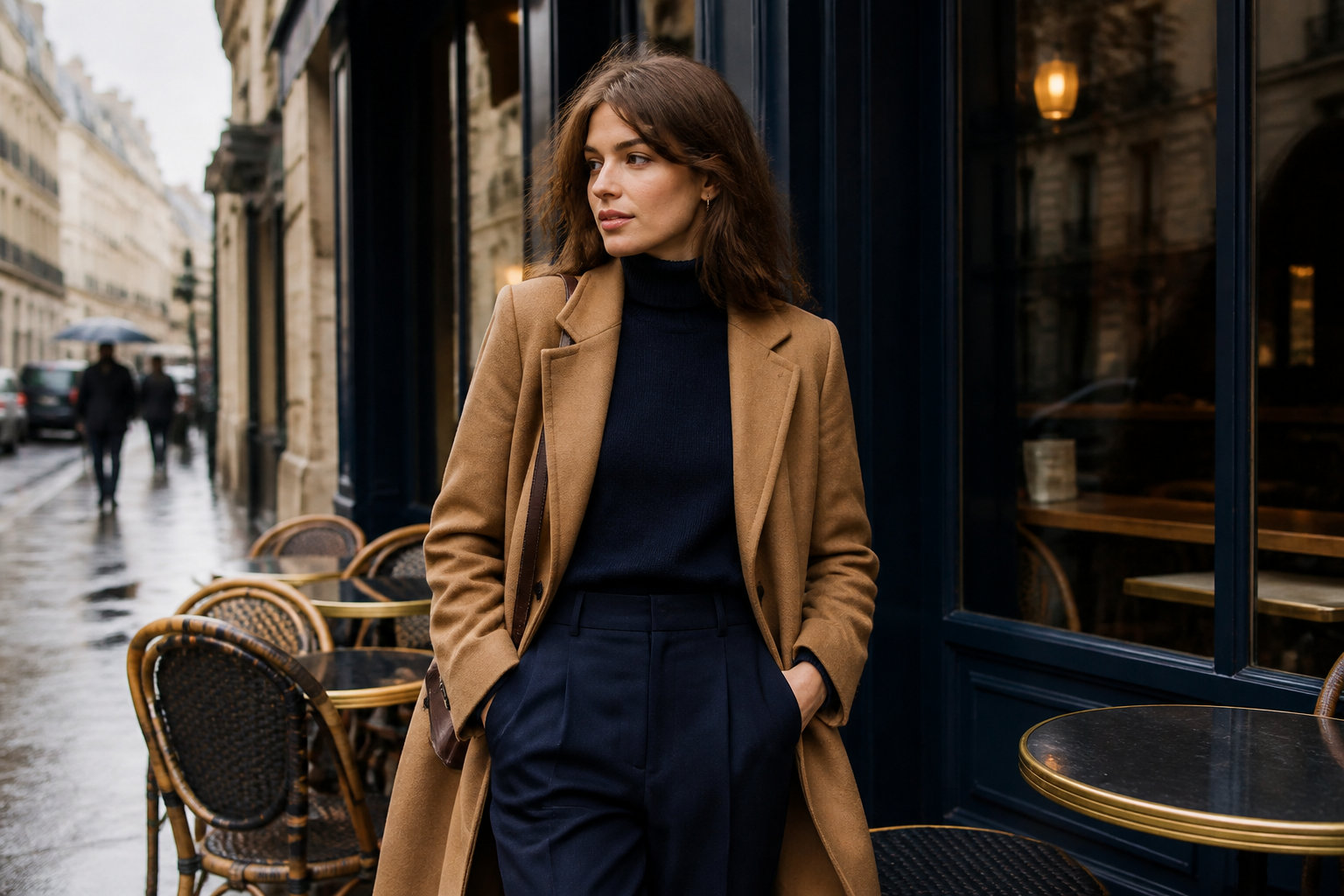
Prioritize navy, camel, and charcoal to anchor your selection. These tones effectively conceal urban dust while ensuring travel efficiency. Mixing these shades remains effortless throughout your stay.
Adopt monochromatic silhouettes to project an expensive, curated image. Single-color dressing creates a streamlined, authoritative profile. Add a Breton stripe to introduce a timeless rhythmic element.
Incorporate Breton stripes for a classic French touch and a ‘Little Black Dress’ paired with a colorful scarf for evening versatility.
- Navy for depth
- Camel for warmth
- Charcoal for versatility
- Cream for light
High-Quality Fabrics: Cashmere and Wool
Synthetic fibers pale in comparison to natural alternatives. Cashmere offers exceptional heat without adding unnecessary bulk. Wool remains essential for wicking moisture during damp Parisian afternoons. Consider silk camisoles for a refined base layer.
Select your knitwear weights with precision. A fine-gauge knit facilitates superior layering compared to heavy, chunky styles. Focus on achieving breathable warmth to navigate fluctuating indoor and outdoor temperatures.
Invest in luxury shopping and noble materials to ensure your wardrobe reflects the city’s high standards. Quality fabrics define the wearer’s discernment.
Classic Outerwear: Trench Coats and Blazers
The trench coat stands as the definitive October staple. It manages light rain with grace and resilience. This single piece provides an instant polish to the most basic ensembles.
An oversized wool blazer serves as a versatile transition piece. It functions as a standalone jacket in early October. Later, it layers seamlessly under a heavier coat for added insulation.
Discreetly layering a light down vest beneath a blazer is a local style secret. This technique provides warmth without compromising the sharp, tailored silhouette. It is the ultimate invisible defense against the chill.
Versatile Bottoms: Straight-Leg Jeans and Trousers
Opt for dark, non-distressed denim for maximum versatility. These transition from gallery viewings to evening bistros with ease. Avoid light washes, as they lack the seasonal gravitas required for autumn.
Tailored wool trousers offer superior comfort for extensive city walks. They provide a more refined alternative to rigid denim. Utilize these structured silhouettes to blend into the professional Parisian landscape.
| Item | Weather Suitability | Style Level | Best For |
|---|---|---|---|
| Dark Denim | Wind / Light Cold | Casual Chic | Day-to-Night Transition |
| Wool Trousers | Cold / Damp | High Sophistication | Long Walks & Dining |
| Silk Skirt | Mild / Dry | Elegant | Evening Events |
| Leggings | Cold / Rain | Functional | Discreet Layering |
SELECTING APPROPRIATE FOOTWEAR FOR COBBLESTONES AND RAIN
Choosing the right clothes is half the battle, but the wrong shoes will ruin a trip faster than a sudden storm.
Prioritizing Comfort for Walking Tours
Traversing Paris demands endurance, often exceeding 15,000 steps daily. Those picturesque cobblestones are notoriously unforgiving on thin soles. You must prioritize footwear with significant arch support to sustain your momentum.
Parisian streets are beautiful but brutal; your shoes must be broken in weeks before you step off the plane.
Never risk your itinerary with brand-new shoes. Blisters represent the ultimate enemy of urban exploration. I suggest packing moleskin or high-quality blister pads to safeguard your comfort against the uneven pavement.
Waterproof Boots for Rainy Days
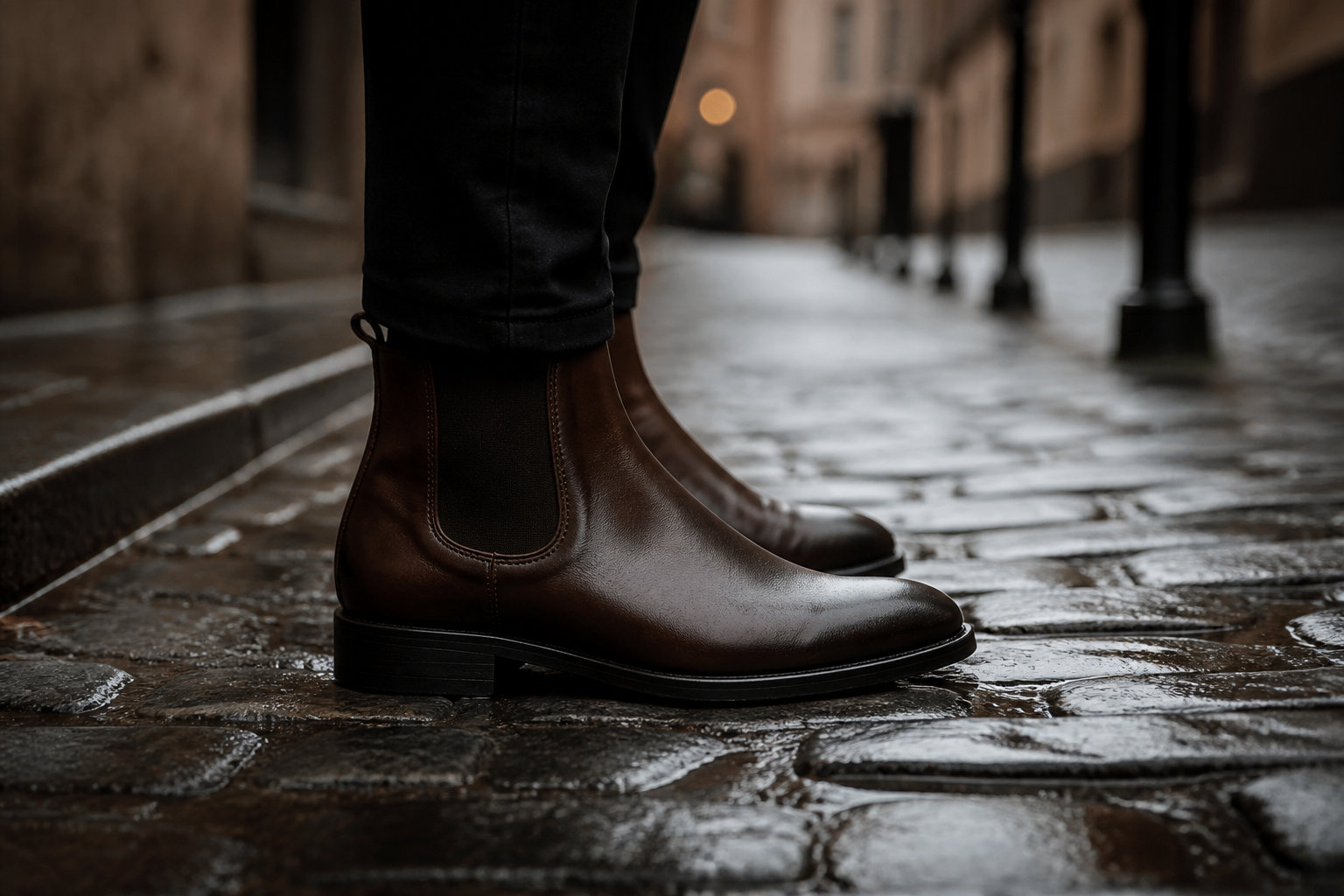
Treated leather Chelsea boots offer the perfect intersection of sleek aesthetics and utility. They effectively repel moisture while maintaining a sophisticated silhouette. Avoid suede unless it possesses heavy waterproofing to resist the elements.
Ankle boots remain the superior choice for efficient packing. However, knee-high styles provide welcomed warmth during the crispness of late October. Both options should feature reliable rubber soles for navigating slick, wet stones.
Robust walking shoes are essential for those considering regional extensions. Quality footwear ensures your transition from city streets to countryside paths remains effortless.
Polished Sneakers and Loafers for Style
Parisians favor minimalist leather sneakers in stark white or deep black. These are refined fashion statements, not athletic gym shoes. They pair seamlessly with tailored trousers or flowing autumn dresses for a curated look.
The leather loafer is your secret weapon for evening transitions. It remains lightweight yet inherently sophisticated for dinner reservations. Embrace minimalist footwear to maintain an authentic profile and avoid the typical tourist aesthetic.
Avoid neon athletic shoes. They scream “tourist” and often lack water resistance. Stick to leather or high-quality canvas in dark tones.
Steer clear of neon performance gear at all costs. Such items compromise your style and rarely offer the necessary water resistance. Stick to premium leather or dark canvas to mirror the local elegance.
ADAPTING OUTFITS FOR MUSEUMS AND EVENING DINING
Once your feet are taken care of, you can focus on the daily rhythm of shifting between heated interiors and the cool outdoors.
Museum Visits and Café Hopping Formulas
Museum heating can be intense. Wear a light base layer under a removable sweater. This prevents overheating while viewing art.
The café look is effortless. A trench coat draped over the shoulders is classic. Use a crossbody bag for hands-free coffee sipping.
For extensive cultural excursions, consider a Versailles palace and gardens tour outfit that prioritizes movement and refined layering.
Elevating Daytime Looks for Fine Dining
Transitioning doesn’t require a full change. Add a statement necklace or gold earrings. Swap sneakers for sleek boots.
French evening style is distinct. It’s about understated elegance rather than being overly formal. A blazer is always enough.
Always maintain a clean coat. In fine restaurants, your outerwear is the first thing staff sees. Ensure it is lint-free.
Layering for Indoor Heat and Outdoor Cold
Master the three-layer rule. Start with a silk camisole. Add a cashmere knit. Finish with a structured wool coat. This system manages the 10-degree temperature swings between the Metro and the street.
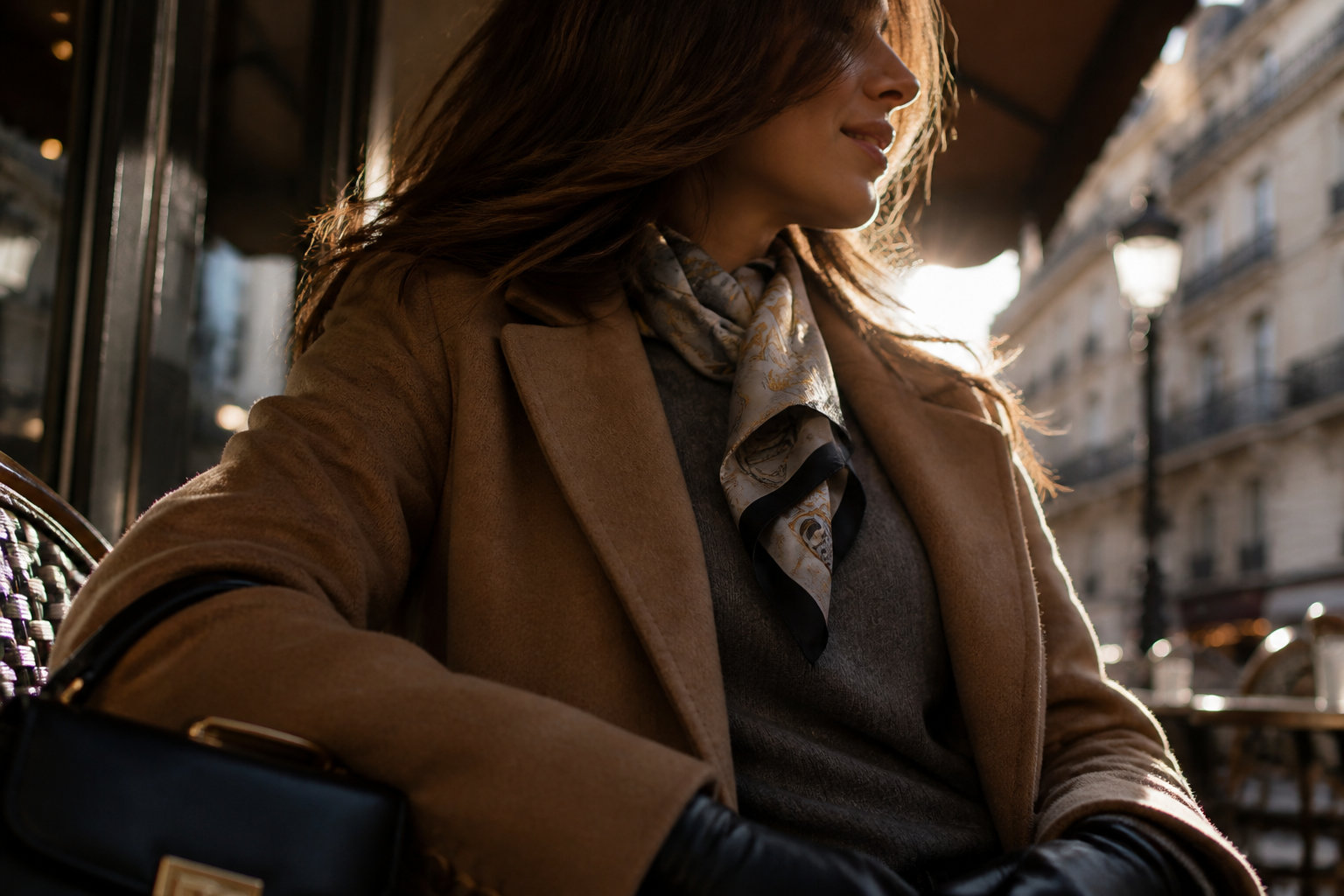
Scarves are vital tools for thermal regulation. They act as a light wrap in drafty restaurants. They bridge the gap between style and utility.
Respect the local coat check etiquette. Most museums and high-end spots require you to leave bulky items at the entrance.
FUNCTIONAL ACCESSORIES FOR PROTECTION AND ELEGANCE
Beyond the main layers, the right accessories serve as both your shield against the elements and your stylistic signature.
Scarves and Crossbody Bags for Security
The scarf is the quintessential Parisian accessory. It adds color to neutral outfits. It protects the neck from damp winds.
Recommend bags with zippers. Pickpocketing is a reality in crowded areas. A secure crossbody bag keeps essentials safe and close.
- Silk scarves for early October
- Wool wraps for late October
- Leather bags with interior zips
Skincare and Beauty for Changing Climates
Autumn wind dries the skin quickly. Pack a heavy-duty moisturizer and lip balm. Don’t forget SPF even on cloudy days.
Autumn winds in Paris can be drying; pack heavy-duty moisturizer and lip balm. Even with gray skies, SPF is recommended.
Discuss the minimal makeup look. French beauty focuses on healthy skin and a bold lip. Avoid heavy foundation which can look cakey in flat autumn light. Use hydrating travel essentials.
Prioritizing self-care during excursions ensures you remain radiant despite the brisk October breeze.
Compact Umbrellas for Sudden Showers
A heavy raincoat is often too warm for walking. A high-quality compact umbrella is better. Look for windproof frames.
Mention quick-dry fabrics. You don’t want a soaking wet umbrella in a small boutique. Focus on portable protection.
“In Paris, an umbrella isn’t just a tool; it’s a temporary roof that allows the city to remain walkable during the greyest afternoons.”
| Accessory | Benefit |
|---|---|
| Maxi Scarf | Structural elegance and warmth |
| Antitheft Bag | RFID protection and peace of mind |
| Windproof Umbrella | Resists gusts up to 100km/h |
EFFICIENT PACKING STRATEGIES AND CULTURAL ETIQUETTE
With your wardrobe selected, the final step is getting it all into your suitcase without losing your mind or your style.
Utilizing Packing Cubes for Efficiency
Organize by outfit rather than item type. This saves time in the morning. Use compression cubes to fit bulky sweaters.
Rolling items is better than folding. This method keeps clothes wrinkle-free. Bring a small travel steamer for wool pieces.
Expertly curated organisation de voyages sur mesure ensures seamless transitions. Everything fits perfectly. Your arrival remains effortless.
Blending In: Avoiding Common Fashion Faux Pas
Avoid graphic tees and loud logos. They instantly mark you as a tourist. Parisians prefer subtle branding and clean lines.
Even casual clothes should be well-tailored. Fit is paramount for the local aesthetic. Baggy sweatpants are for the gym, not the Louvre.
True elegance lies in what you leave behind. Observe these strict cultural boundaries:
- No activewear outside the gym
- No flip-flops
- No overly distressed jeans
- No baseball caps in restaurants
Wardrobe Size for Different Travel Durations
For one week, aim for three bottoms and five tops. Everything must coordinate. Follow the wear twice rule for all outer layers.
Luxury hotels offer overnight laundry service. Alternatively, find a local “pressing” for delicate woolens. This allows you to pack light. Leave room for seasonal souvenirs.
We facilitate sophisticated séjours prolongés. Travel light. Live deeply.
Mastering the art of what to wear in Paris in October requires a curated blend of waterproof footwear, versatile neutral layers, and a sophisticated trench coat. By prioritizing quality fabrics like cashmere and breathable wool, you ensure seamless transitions from crisp morning strolls to intimate evening dining. Secure your refined autumn essentials now to experience the city’s golden foliage with effortless elegance and absolute comfort.
FAQ
What specific weather conditions should I anticipate in Paris during October?
October serves as a sophisticated transition period in Paris, where the atmosphere shifts from the lingering warmth of early autumn to a crisper, more invigorating chill. You should prepare for average daytime highs of 15°C (59°F) and evening lows reaching approximately 7°C (45°F), though temperatures can occasionally fluctuate more dramatically.
Rainfall is a characteristic element of the Parisian autumn, with an average of 15 days of light showers or brief downpours. The weather is famously unpredictable, often moving from golden sunlight to grey, damp skies within a single afternoon, necessitating a wardrobe built for thermal regulation and moisture protection.
Which essential clothing items are recommended for an October visit?
The cornerstone of a refined Parisian wardrobe is the art of strategic layering. We recommend packing high-quality foundations such as silk camisoles and long-sleeved shirts, topped with fine-gauge cashmere knits or wool sweaters that provide warmth without unnecessary bulk. A classic trench coat or a structured wool blazer remains an indispensable staple for navigating the city’s streets with elegance.
For your lower layers, dark, straight-leg denim and tailored wool trousers offer the perfect balance of comfort and style. Accessories such as wool wraps, silk scarves, and leather gloves are not merely decorative; they are functional necessities that shield you from the damp winds off the Seine while maintaining a sophisticated silhouette.
How can I choose the most appropriate footwear for the city’s cobblestones?
Selecting the correct footwear is paramount, as the historic Parisian streets demand both durability and arch support. We advise prioritizing treated leather Chelsea boots or minimalist leather sneakers, which offer protection against the damp cobblestones while ensuring you remain comfortable during extensive walking tours.
It is essential to avoid suede unless it has been thoroughly waterproofed, as the autumn humidity can be unforgiving. For evening dining, a polished leather loafer or a sleek ankle boot provides a seamless transition from daytime exploration to understated elegance at a fine bistro.
What are the common fashion mistakes to avoid to blend in with the locals?
To maintain a sense of exclusivity and blend seamlessly into the local environment, one should avoid overly casual activewear, graphic tees, and loud logos. Parisians favor subtle branding and clean, well-tailored lines over distressed fabrics or neon athletic gear, which are often viewed as aesthetic faux pas.
Furthermore, items such as flip-flops, baseball caps in restaurants, and bulky backpacks should be replaced with more refined alternatives like structured crossbody bags and classic outerwear. The goal is to achieve a look of nonchalant chic, where every piece appears intentional yet effortless.
Is a heavy winter coat necessary for Paris in late October?
While a heavy winter parka may be premature, a substantial wool coat or a layered trench is highly recommended as the month progresses. The wind chill, particularly during evening strolls or cruises along the river, can make the perceived temperature feel significantly lower than the forecast suggests.
A clever local style secret is to layer a lightweight down vest beneath a blazer or trench coat. This provides the necessary insulation for late October’s damp chill without compromising the sleek, sophisticated profile required for high-end shopping and cultural excursions.