
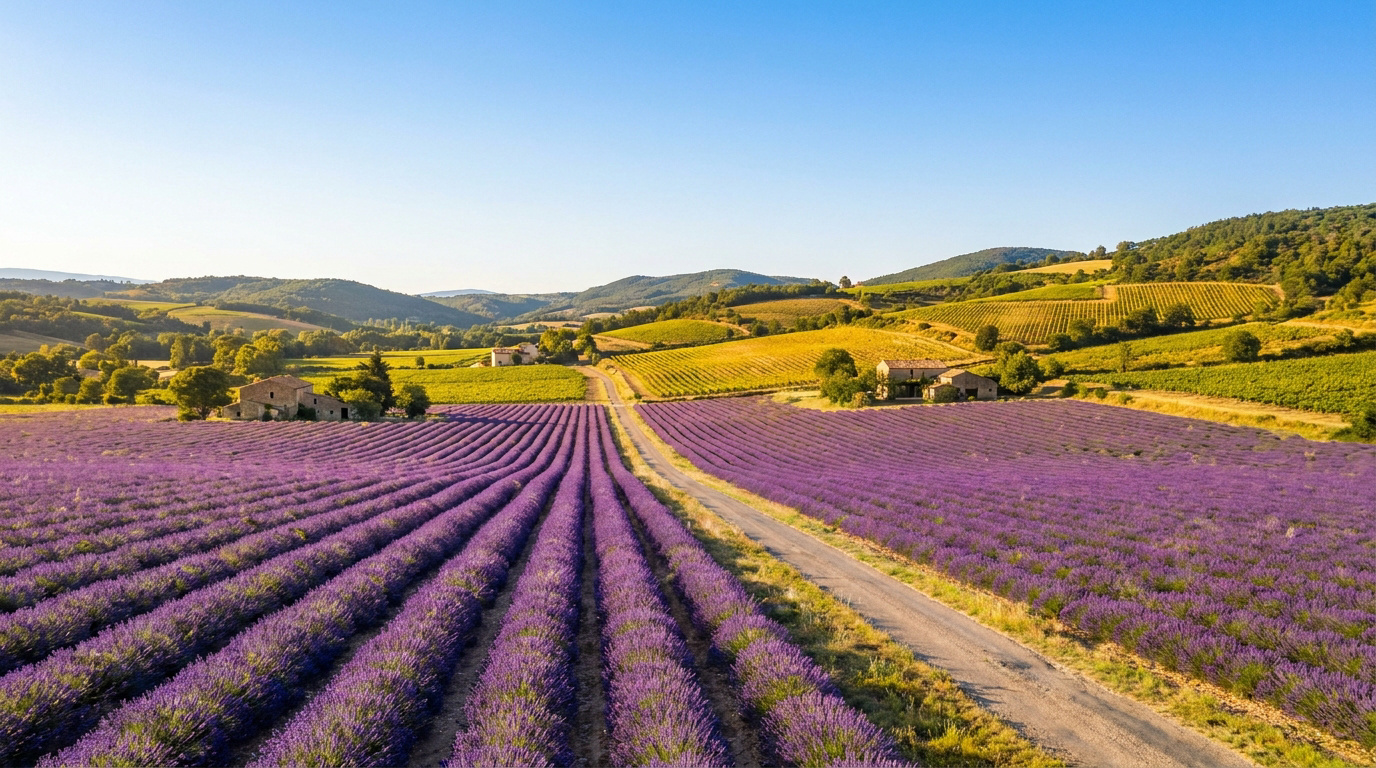
The transition from the vibrant blossoms of May to the golden grape harvests of September defines the rhythmic soul of the South. While the landscape is perpetually alluring, navigating the mistral winds and the surge of summer crowds requires a discerning strategy to ensure your journey remains seamless and sophisticated.
Determining the best time to visit Provence is a matter of aligning your personal aspirations with the region’s seasonal shifts. We shall examine the climatic nuances and cultural calendars to help you orchestrate a truly bespoke escape to these storied lands.
- Best Time to Visit Provence: A Seasonal Analysis
- 3 Strategic Considerations for Regional Navigation
- How to Select the Ideal Provençal Base?
- Practical Wisdom for a Refined Experience
Best Time to Visit Provence: A Seasonal Analysis
Provence peaks between late June and mid-July for lavender blooms, though May and September offer mild weather with fewer crowds. Winter suits truffle enthusiasts, while the Mistral wind dictates coastal comfort year-round.
The seasonal shift begins with the spring awakening, bringing life back to the village squares.
Springtime Awakening and Floral Abundance
April showers vanish, yielding to May warmth. The air carries the sharp scent of wild thyme and rosemary across the hills. Nature reclaims its throne with effortless grace.
Morning light hits the café terrace as the village stirs. These first sunbeams feel like a private, warm invitation to the day.
The summer crowds haven’t arrived yet. It is the perfect moment for a Provence – Exclusive & Private escape into the quiet, blooming backcountry.
9°C to 24°C. Gentle sun, floral blooms, and absolute serenity.
28°C to 30°C. Intense heat and vibrant lavender.
The Estival Radiance and Lavender Rhythms
Timing is everything for the purple fields. The peak lavender window opens in late June and closes by mid-July. Heat levels rise sharply, demanding a slower pace of life.
We find shelter from the Mistral during heavy afternoons. The Valensole Plateau glows under the heat, while the Luberon valley remains a sanctuary of shaded stone.
- Best spots: Valensole, Sault, and Senanque Abbey.
- Peak heat: Mid-July often exceeds 30°C.
- Festivals: Events cluster in early August.
Autumnal Harvests and Winter Quietude
September brings the grape harvest. Fermenting grapes scent the air while golden light washes over the vineyards. The intensity of summer fades into a mellow rhythm.
Winter shifts to gastronomy. We seek black truffles during fireplace dinners in stone farmhouses. The air is crisp, yet the hospitality remains warm.
Empty villages reveal their stark beauty. The crowds are a memory, leaving only the stones and the sky.
Winter in Provence isn’t cold by northern standards, but the Mistral makes the soul feel the chill of history.
3 Strategic Considerations for Regional Navigation
Timing your visit is only half the battle; navigating the local elements requires a bit of tactical thinking.
The Influence of the Mistral Wind on Daily Comfort
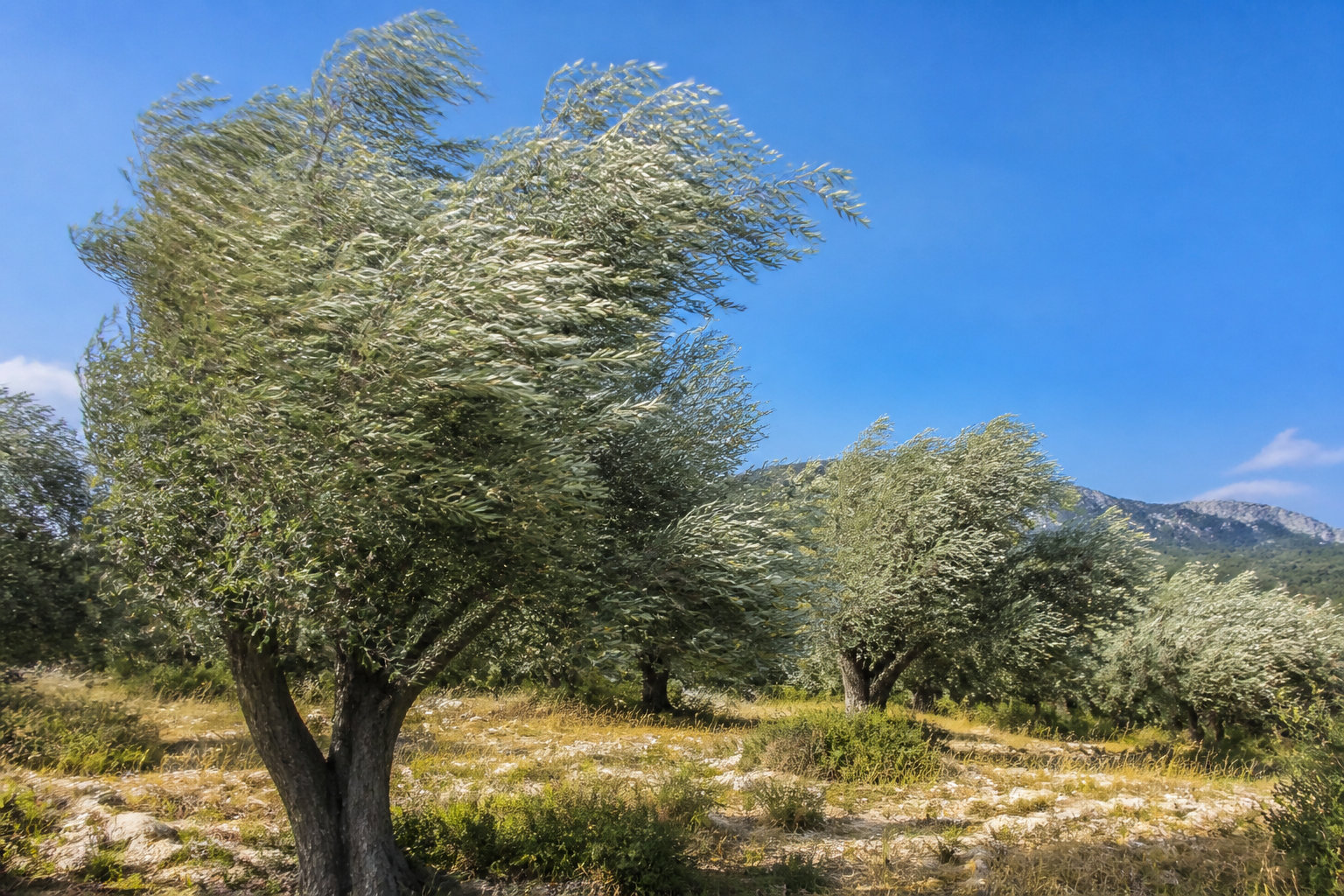
The Mistral wind is a dry, northern force. It clears the sky beautifully. Yet, it drops the temperature rapidly.
Secure your patio furniture immediately. Choose restaurants with glass partitions or sheltered courtyards. This avoids flying napkins during your Luxury Experiences in France.
Coastal Sophistication versus Rural Authenticity
Contrast the Riviera glitz with Luberon’s rustic charm. The pace differs immensely between these iconic destinations.
Transportation remains a key differentiator. Coastal trains are easy. Rural areas require a car for hidden hilltop spots.
| Region | Vibe | Transport | Best For |
|---|---|---|---|
| French Riviera | Glamour | Train | Nightlife |
| Luberon | Rustic | Car | Nature |
| Alpilles | Chic | Car | History |
Peak Season Congestion and Pricing Realities
July pricing surges significantly. The Avignon festival makes hotels scarce. Expect to pay a premium for air conditioning.
Restaurant logistics are demanding. Book your favorite bistro weeks ahead. Walk-ins are nearly impossible in Gordes.
Consider the shoulder season. It offers substantial financial relief for the discerning traveler.
How to Select the Ideal Provençal Base?
Once you understand the climate and the costs, you need to plant your flag in the right town.
The Historical Gravity of Arles and Avignon
Arles confronts Avignon in a duel of legacies. One champions Roman ruins while the other boasts the massive Palais des Papes. Each city radiates a distinct, powerful energy for the traveler.
Evening atmospheres diverge sharply. Avignon remains livelier after dark. Conversely, Arles offers a grittier, deeply artistic soul that resonates through its streets.
Navigating both requires precision. Engage France Custom Tours DMC to master these historical landscapes with absolute efficiency and curated expertise.
The Refined Elegance of Aix-en-Provence
Aix-en-Provence reveals an aristocratic layout of unparalleled grace. The iconic fountains of Cours Mirabeau anchor the city. It possesses a sophisticated, “Parisian” allure that stands apart from the rugged southern hinterland.
Contrast this with the medieval maze of Avignon. Aix prioritizes bourgeois elegance and high-end shopping experiences. Avignon remains defined by its formidable stone walls and papal history.
For those weighing these urban vibrations, exploring private tours paris provides a necessary stylistic comparison for your journey.
Logistics of Hilltop Villages and Rural Retreats
Residing in Gordes or Bonnieux offers profound serenity. The atmosphere turns quiet once day-trippers depart. The panoramic views remain utterly unmatched in their beauty.
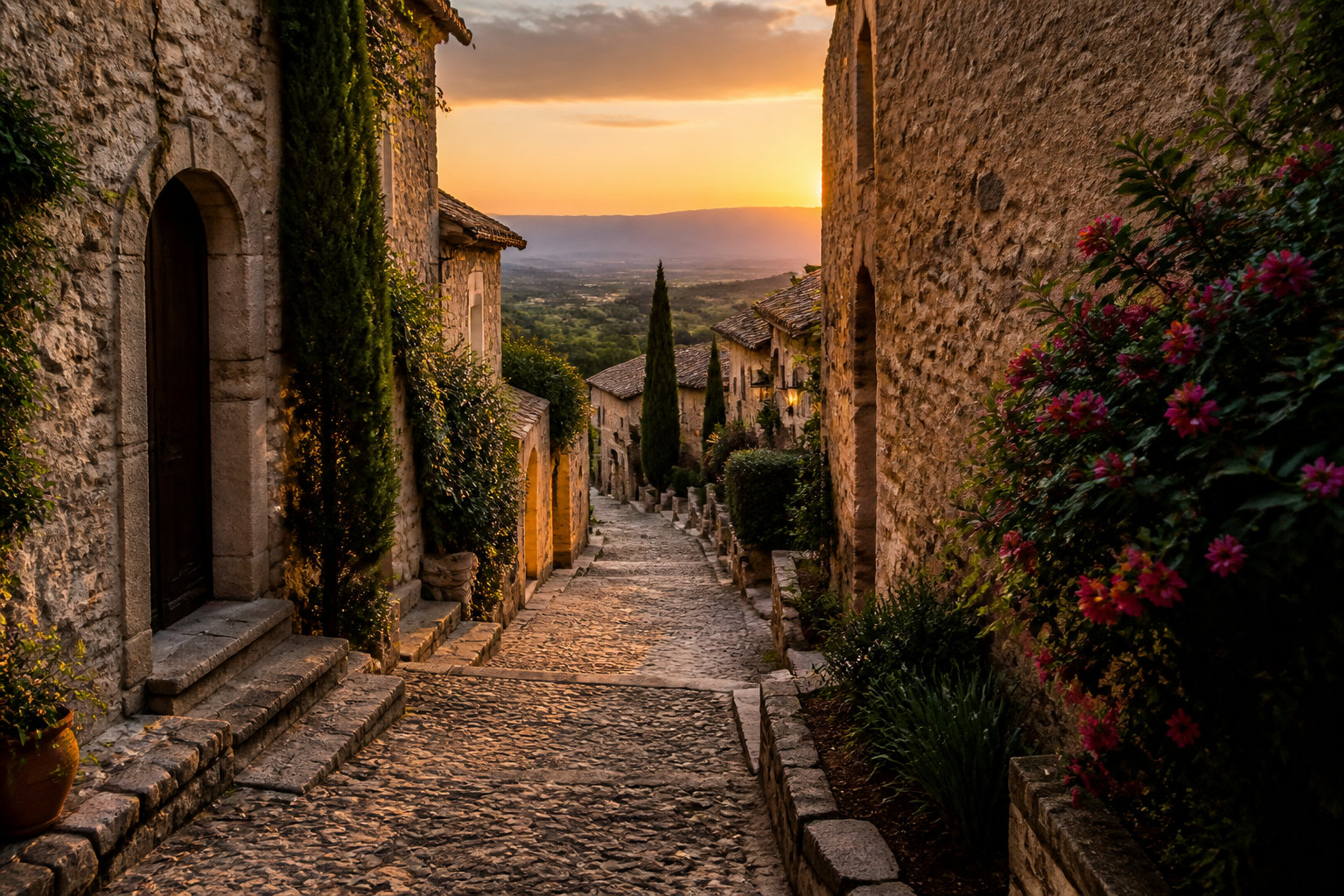
A car is a non-negotiable necessity here. Reaching these remote hamlets by bus is notoriously difficult. Furthermore, parking in narrow, ancient streets often becomes a logistical nightmare.
Explore the legendary Luberon valley through private tours in Provence for a seamless and exclusive rural escape.
Practical Wisdom for a Refined Experience
Choosing a base is just the start; living like a local requires mastering the unspoken rules.
Market Etiquette and Culinary Synchronicity
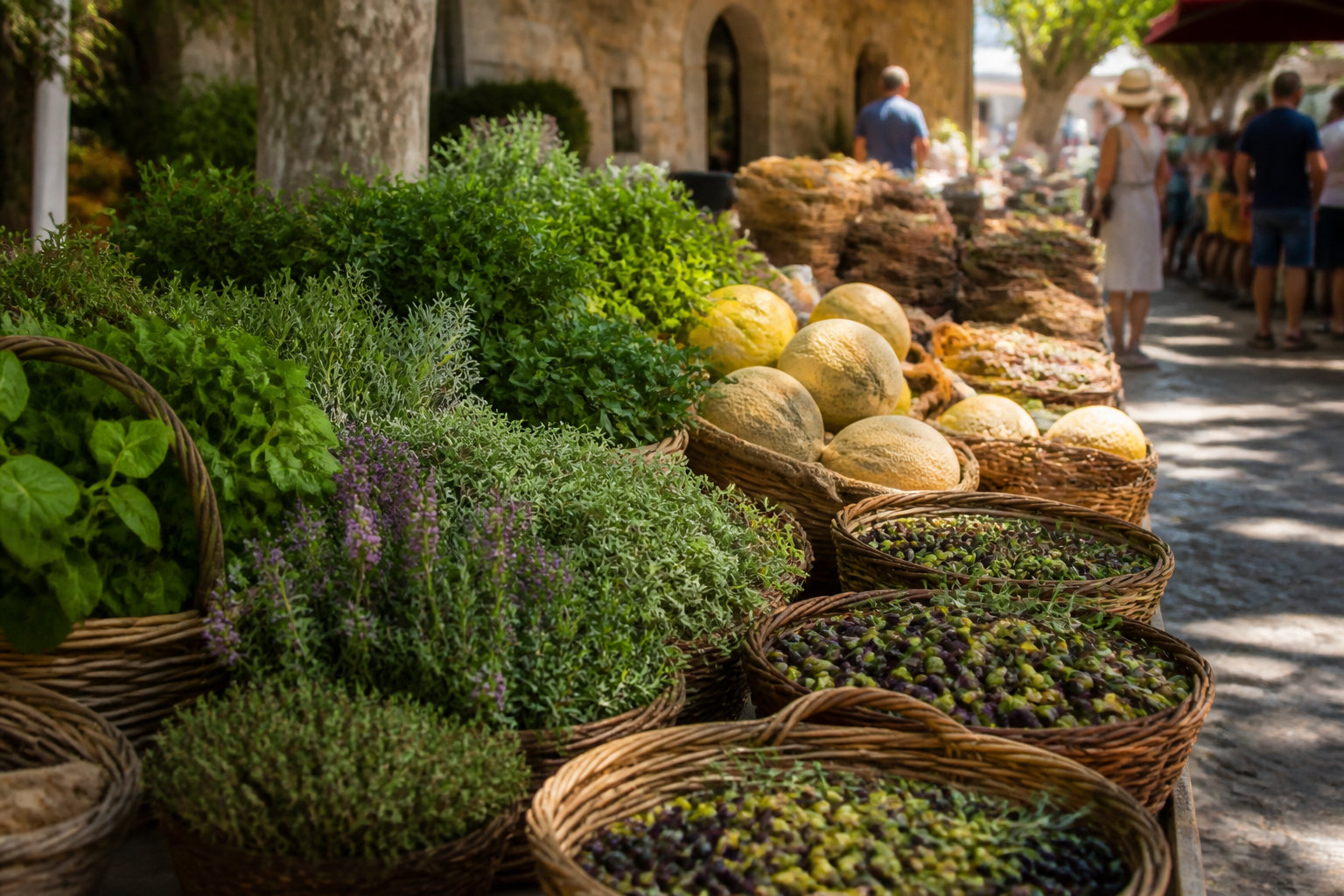
Respect the local rhythm. Never handle the produce yourself, as vendors take pride in selecting your fruit. Always carry a wicker basket to blend seamlessly into the morning bustle.
Embrace the seasonal harvest. Savor the honeyed sweetness of Cavaillon melons throughout July. Transition to the earthy richness of roasted squash as the autumn months descend upon the plateau.
- Saint-Rémy-de-Provence: Wednesday
- Apt: Saturday
- L’Isle-sur-la-Sorgue: Thursday
Transportation Logistics for the Luberon and Beyond
The TER rail network serves the azure coast with remarkable efficiency. However, the rugged interior demands a compact rental car. Large SUVs are hindered by the narrow, ancient gates of medieval villages.
Parking requires strategic foresight. Secure your spot in the villages well before 10 AM. Utilize the peripheral parking lots to preserve your sanity and avoid the congested historic centers.
“In Provence, the shortest distance between two points is rarely a straight line, but always the most scenic one.”
Whether you are navigating the winding roads of the Petit Luberon or tracing the shoreline, the journey remains the ultimate destination. The best time to visit Provence is defined by these deliberate, unhurried choices.
Whether you seek the floral abundance of spring or the golden serenity of the autumnal harvest, choosing the best time to visit Provence ensures a journey defined by sensory resonance. Secure your seasonal retreat now to experience these timeless landscapes before the summer crowds arrive. Your refined Provençal escape awaits.
FAQ
When is the most exquisite time to experience Provence?
To capture the region in its most evocative state, one should consider the shoulder seasons of spring, specifically April and May, or the golden transition of September and October. During these periods, the atmosphere is defined by a sophisticated balance of mild temperatures, ranging from 9°C to 26°C, and a luminous clarity that avoids the midsummer congestion.
Whether you seek the floral abundance of a landscape in bloom or the quietude of a vineyard harvest, these months offer a more intimate engagement with the Provençal lifestyle. The climate remains generous and sunny, yet the air retains a refreshing crispness that is lost during the intense heat of the estival peak.
What is the definitive window for witnessing the lavender bloom?
The iconic purple rhythm of the lavender fields reaches its zenith between late June and mid-July. On the Valensole Plateau, the spectacle typically commences in mid-June, while the higher elevations of the Pays de Sault or the serene Sénanque Abbey may offer a slightly more enduring display that stretches toward the end of July.
It is essential to note that the harvest often begins around the 14th of July; therefore, timing your visit for late June or the very first week of July ensures a sensory experience of the highest caliber. Early morning or late afternoon excursions are recommended to witness the fields bathed in a soft, ethereal light, far from the reach of the midday sun.
How does the Mistral wind influence a refined itinerary?
The Mistral, Provence’s legendary “master wind,” is a powerful, dry northern current that serves as both a sculptor of the landscape and a purifier of the skies. While it ensures a brilliant, cloudless azure, it can drop temperatures with startling rapidity, necessitating a curated wardrobe of light layers even during the sunniest of afternoons.
Architectural choices in the region, such as the orientation of traditional mas and the inclusion of sheltered courtyards, are direct responses to this elemental force. When planning your daily movements, seeking establishments with glass partitions or choosing north-facing natural barriers will ensure your comfort remains undisturbed by the wind’s vigorous presence.
Which season is most conducive to hiking the Provençal trails?
For those who find resonance in the great outdoors, late May through June, as well as the month of September, represent the pinnacle of hiking conditions. With temperatures hovering gracefully around 26°C, the environment is perfectly suited for exploring demanding routes like the Sentier Martel in the Verdon Gorges or the coastal elegance of the Calanques de Cassis.
During these windows, the natural world is at its most vibrant, either lush with springtime vitality or draped in the rich, autumnal hues of the harvest. Selecting these months allows for a more profound connection with the terrain, avoiding the severe heat restrictions and seasonal closures that can occasionally affect trail access during the height of August.
Is a winter sojourn in Provence a worthwhile endeavor?
A winter visit offers a stark, minimalist beauty and a sense of exclusivity that the busier months cannot replicate. While temperatures are cooler, ranging from 3°C to 17°C, the region remains remarkably sun-drenched, providing a serene backdrop for exploring the historical gravity of Arles or the bourgeois elegance of Aix-en-Provence without the typical throngs.
This is the season of culinary depth, where the focus shifts to black truffles and long, contemplative dinners by stone fireplaces. It is a time for those who value quietude and authenticity, allowing the soul of Provence to reveal itself through empty village squares and the crisp, invigorating air of the Mediterranean winter.