
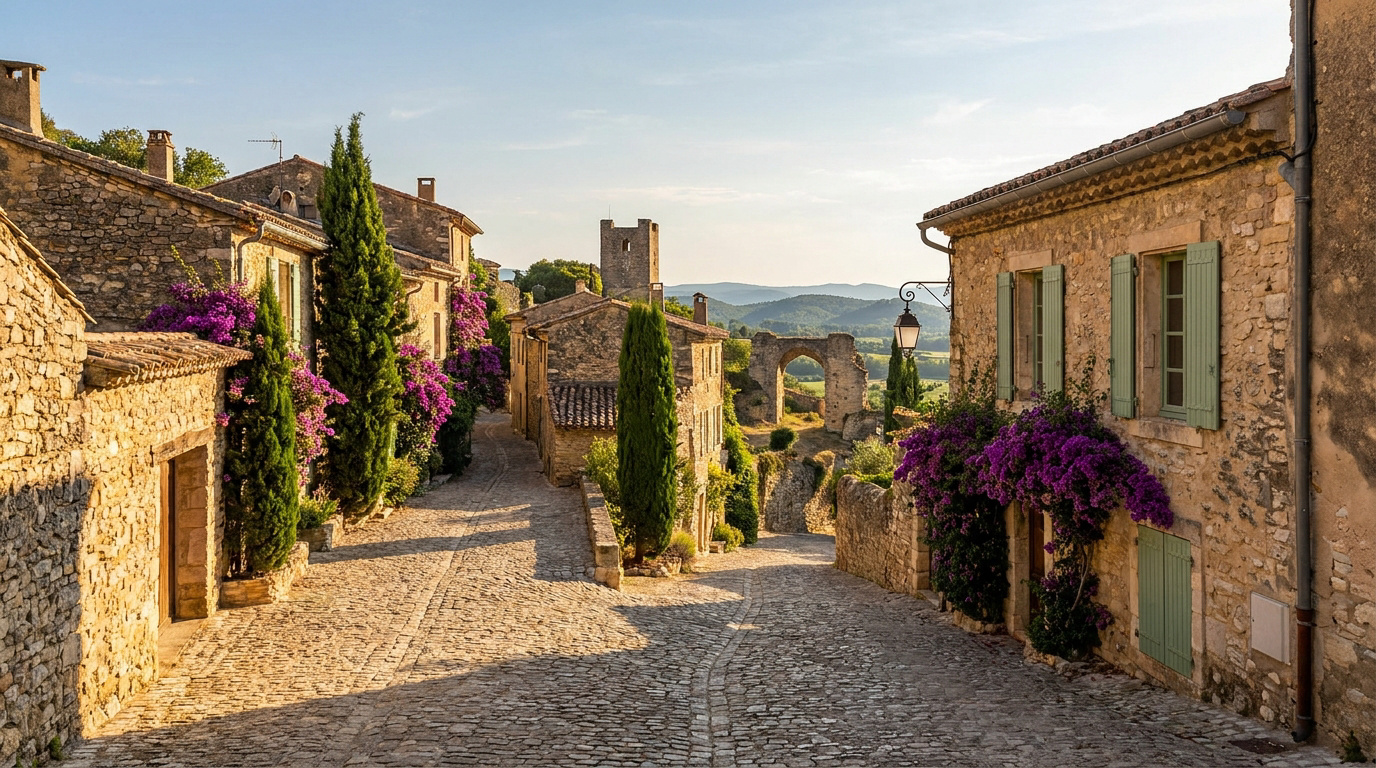
The timeless allure of Provence often vanishes beneath the weight of summer crowds, leaving the region’s most authentic soul obscured by a sea of shutters and tour buses. Yet, beyond the well-trodden paths of Gordes and Roussillon, a collection of secluded sanctuaries remains remarkably preserved, offering a rare glimpse into the quiet majesty of the Vaucluse and Luberon valleys.
One often finds themselves trapped in the frantic rush of iconic sites rather than absorbing the true Mediterranean spirit. We invite you to discover these hidden gems in Provence, where we curate an elevated journey through ancient stones and silent valleys to restore the prestige of your travel experience.
- Strategic Planning for Secluded Provençal Treasures
- Saignon: A Vertical Sanctuary, High Vistas, and Ancient Stones
- Le Beaucet: Troglodyte Dwellings, Shaded Alleys, and Vaucluse Secrets
- Brantes: Artistic Traditions, Pottery Workshops, and Alpine Views
- Oppède-le-Vieux: Silent Ruins, Medieval Echoes, and Restored Splendor
- 3 Rare Landmarks Beyond the Village Square
- Where to Find Authentic Provençal Flavors?
Strategic Planning for Secluded Provençal Treasures
Authentic Provence thrives in the Vaucluse and Luberon valleys during shoulder seasons. Spring and autumn offer crowd-free exploration of villages like Saignon or Brantes, provided travelers secure private vehicle rentals to navigate narrow, rural limestone roads safely.
The timing of your visit dictates the entire atmosphere of the trip, starting with the shift in seasons.
Optimal Timing and the Seasonal Shift
Prioritize visiting during May, June, or September. These months bypass the oppressive summer heat. You also avoid the overwhelming waves of tourists that typically arrive in July.
Spring presents vibrant blooming poppies, while October reveals golden vineyards. The soft, refined light enhances every photograph. During these windows, the usual crowds at iconic sites simply vanish.
The milder climate makes hiking exceptionally pleasant. You can explore without the constant risk of heatstroke. Local cafes offer tranquil outdoor seating, far from the frantic mid-August rush.
Visiting Provence in the shoulder season isn’t just a tip; it’s the only way to hear the wind through the pines instead of camera shutters.
Logistics of Rural Mobility
A car rental is an absolute necessity here. Public transport rarely reaches the most isolated, silent hamlets. A small, manual car remains the superior choice for steep, winding paths.
Patience is your most valuable tool on narrow roads. Pulling over for local tractors is a common occurrence. You must adapt to the rural rhythm.
Consider luxury tours in France for tailored flexibility. Private drivers allow you to stop at a random cherry orchard whenever the mood strikes you.
Ancient villages often have designated parking lots outside their centers. Walking the final stretch is essential. This practice preserves the quiet, prestigious atmosphere of the historic heart.
Environmental Stewardship and Fire Risk Awareness
Summer forest restrictions are mandatory and strict. High winds and dry brush create extreme fire hazards. Many trails close between July and September. Always check the daily prefecture maps before exploring.
The fragile limestone soil supports rare, delicate flora. Staying on marked paths is vital for conservation. This prevents erosion and maintains the pristine landscape for future generations.
Local apps provide real-time updates on safety levels. Respecting these access rules is a matter of survival. The authorities monitor these zones closely.
Never smoke near dry grass. A single spark can devastate an entire valley in minutes.
Saignon: A Vertical Sanctuary, High Vistas, and Ancient Stones
But mobility is just the beginning; once you have wheels, the first stop should be a village that defies gravity.
Architectural Heritage and Panoramic Vistas
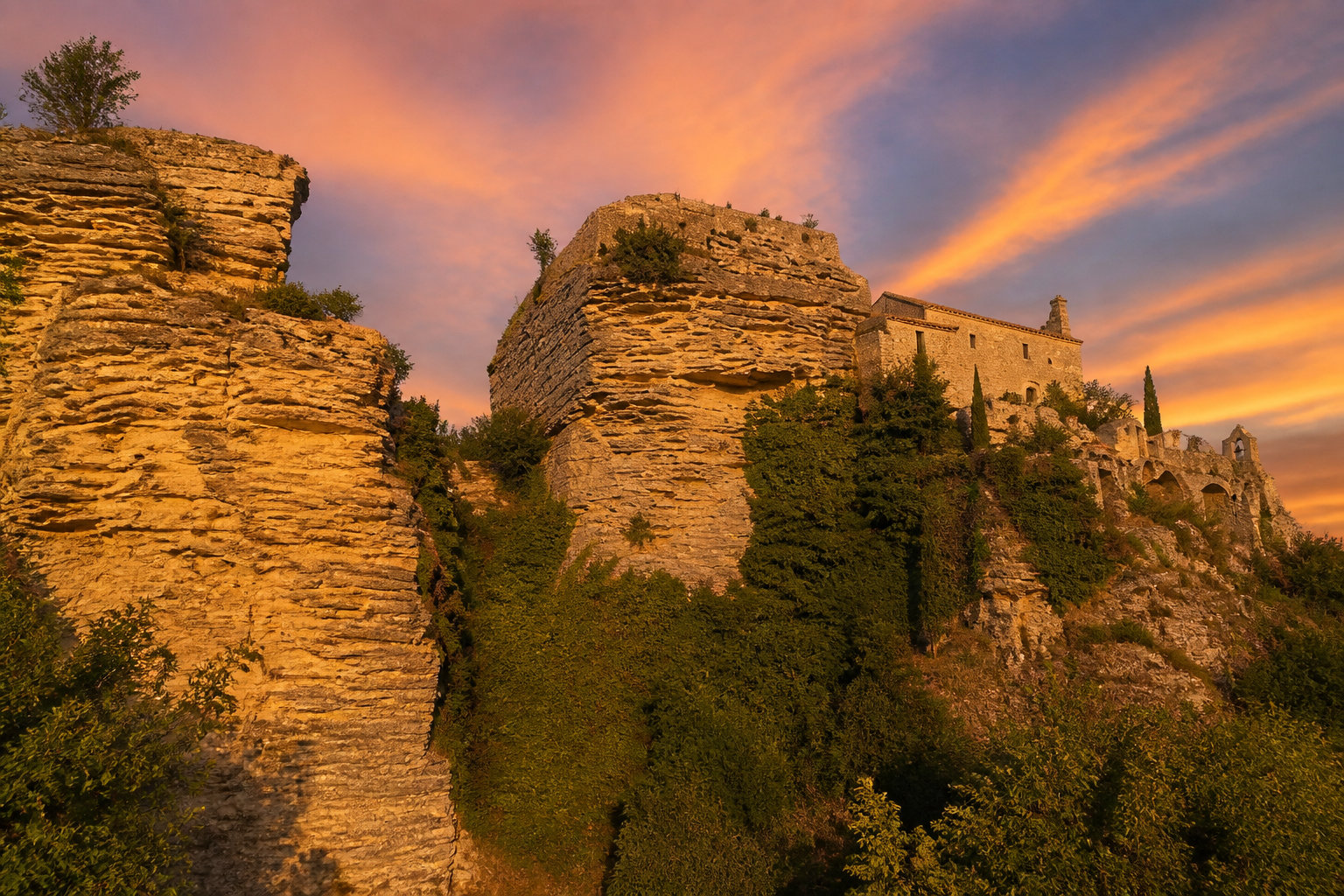
The Rock of Bellevue stands as a formidable limestone sentinel. This geological formation served as a natural watchtower for centuries. It offers a 360-degree view of the entire Luberon mountain range.
The 12th-century Romanesque church remains remarkably intact. Its thick stone walls provide a natural sanctuary from the afternoon sun. The interior carvings reflect the village’s deep religious history. It is truly a preserved relic.
On clear days, you can spot the peaks of the Alps. The patchwork of olive groves and vineyards looks like a living painting below. The valley stretches out in a silent, majestic display.
Artisan Crafts and Essential Oil Distilleries
Saignon sits near high-altitude fields that produce the finest essential oils. The scent of drying herbs often fills the narrow, cobblestone streets. It is an olfactory signature of the plateau.
Local artists use traditional techniques to create functional stoneware. Each piece carries the unique signature of the Luberon’s mineral-rich clay. These studios preserve a tactile, ancient connection to the earth.
Buying directly from creators ensures the money stays within the village. You get a story, not just a souvenir. It fosters a genuine bond with the local heritage.
Small-batch oils are far superior to mass-produced versions. The difference in purity is immediately noticeable. Discovering hidden gems in Provence away from the crowds starts with such uncompromising quality.
Le Beaucet: Troglodyte Dwellings, Shaded Alleys, and Vaucluse Secrets
While Saignon looks out over the world, Le Beaucet hides within the very rock it was built upon.
Rock-Hewn Architecture and Medieval Remnants
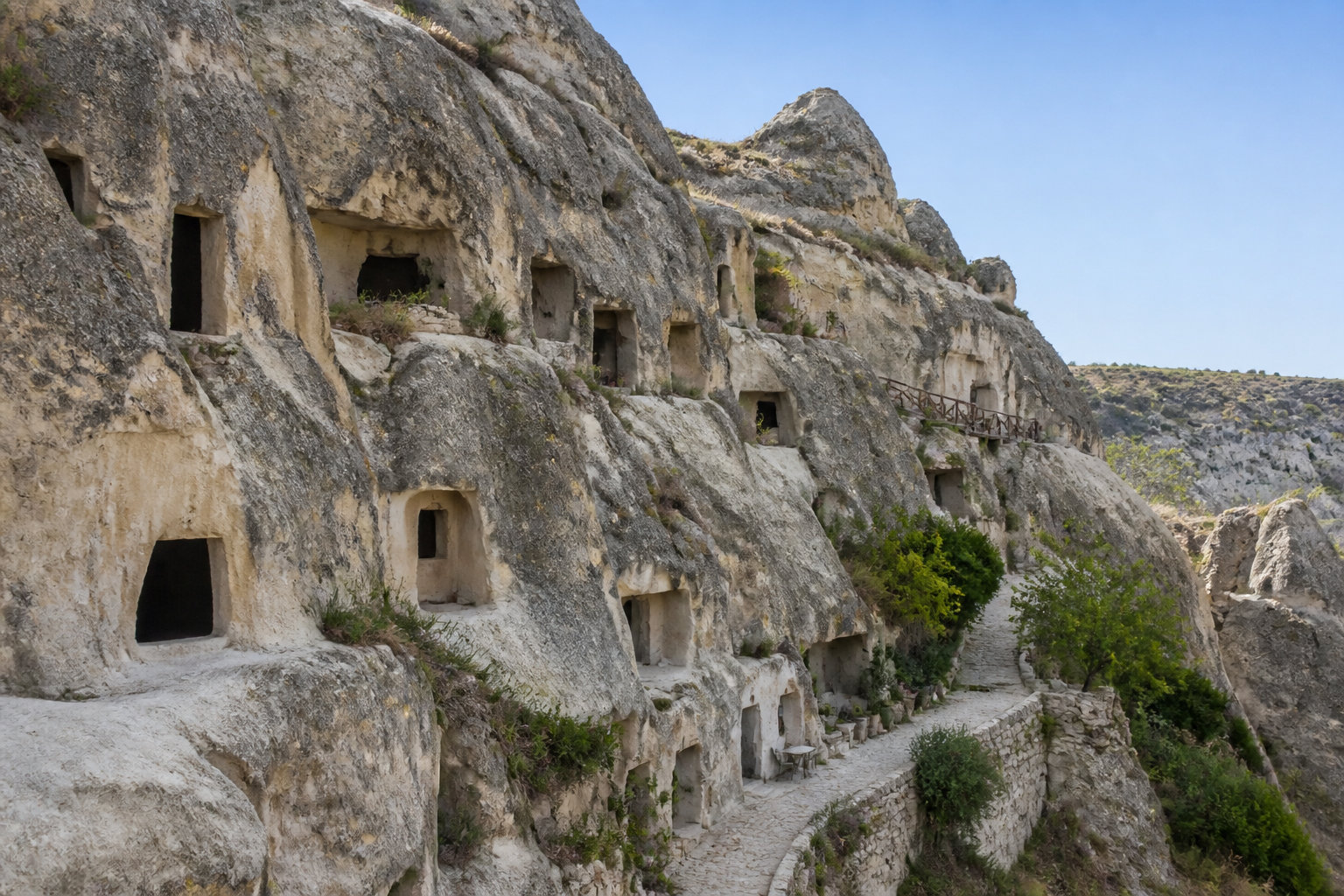
Ancient houses are carved directly into vertical cliffs. These troglodyte dwellings provided natural insulation against harsh seasons. Today, they remain functional as unique cellars or private living spaces.
Troglodyte dwellings are houses carved directly into cliffs, providing natural insulation and used historically for defense and storage.
A 12th-century castle ruins dominate the jagged ridge. This fortress once guarded the strategic pass against invaders. Its crumbling masonry creates a hauntingly beautiful silhouette today.
The site’s extreme verticality served a vital defense utility. Residents retreated into the rock during periods of high conflict. Besieging this stone bastion was nearly impossible for enemy forces.
Family-Friendly Discovery in Quiet Alleys
Pedestrianized paths offer a secure environment for exploration. Secret stairways unveil hidden gardens and mossy fountains. Families can wander safely through this ancient stone labyrinth.
Narrow alleys provide a natural cooling effect at noon. Thick stone walls absorb the morning freshness effectively. The village remains a sanctuary from the intense Provençal sun.
Parents relax while children uncover medieval architectural details. The village functions as a safe playground of ancient stone. It is perfect for bespoke family tours in France across all ages.
Time slows down within these quiet, historic walls. Only birdsong interrupts the profound silence here. The atmosphere remains authentically peaceful and remarkably private.
Brantes: Artistic Traditions, Pottery Workshops, and Alpine Views
Leaving the troglodyte shadows, we move toward the northern edge of the Vaucluse where art meets the mountain.
The Pottery Tradition and Creative Workshops
Brantes serves as an exclusive hub for dedicated ceramicists. Masters of clay have sought this altitude for decades. The village features active kilns and striking open-air displays of finished work.
Participate in the process through curated workshops. You may test your focus on the potter’s wheel. Mastering these basic techniques demands steady hands. It offers a tactile connection to local heritage.
The unique glazing defines the local style. These vibrant colors mirror the surrounding landscape. Deep blues and earthy ochres dominate, reflecting the Provencal sky and soil.
Hiking Trails Connecting Isolated Hamlets
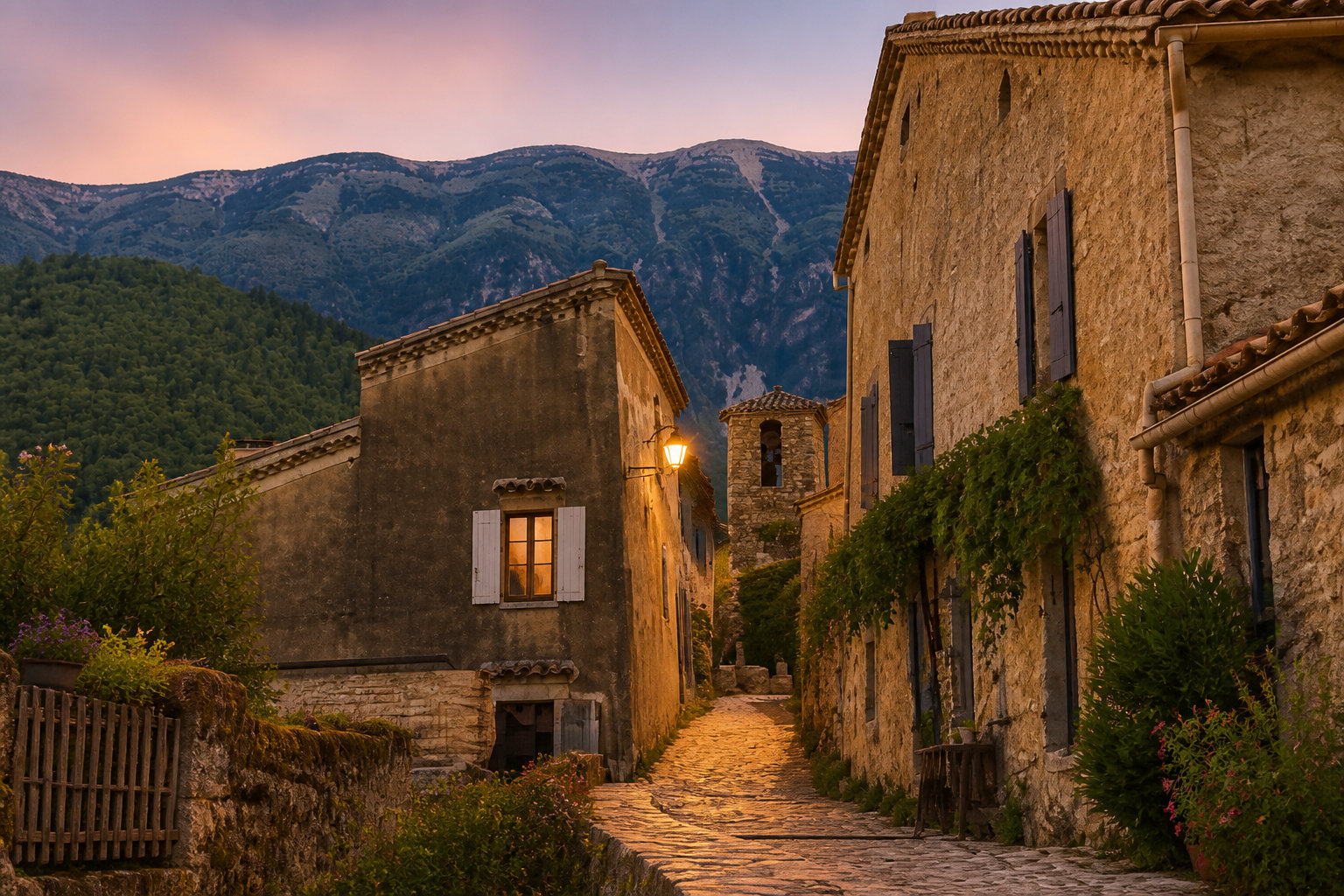
The Mont Ventoux path begins here. Brantes faces the rugged north face of the Giant of Provence. The view remains dramatic, shifting constantly with the moving clouds.
Most circuits offer a moderate challenge. Sturdy boots are mandatory for this terrain. The paths are notably rocky and often steep.
Explore the flora along the Toulourenc river. Wild lavender and rosemary flourish near the water. The air carries scents of pine needles and damp earth.
The riverbanks provide a sophisticated picnic setting. These spots offer cool retreats after your hike. The water is crystal clear and freezing.
Oppède-le-Vieux: Silent Ruins, Medieval Echoes, and Restored Splendor
From the alpine views of Brantes, we descend back into the heart of the Luberon to witness a village reborn from its own ruins.
Ruins, Restoration, and Silent Stones
The abandoned upper village tells a haunting story. Houses were left to the elements for decades. Nature began to reclaim the walls with ivy and wild fig trees.
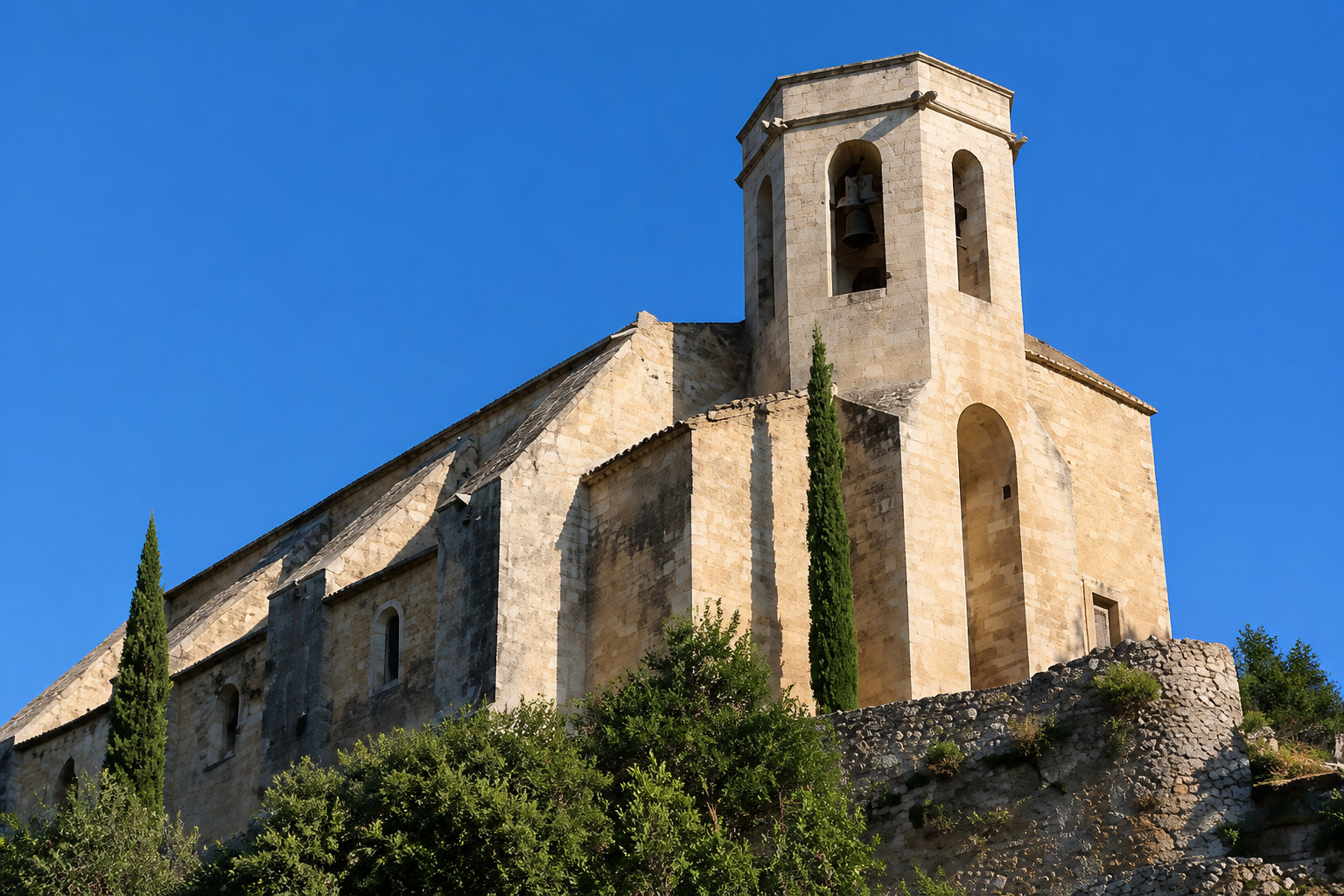
Preservation efforts have since transformed the site. The church of Notre-Dame-d’Alidon has been carefully restored. It sits at the highest point of the village. Local associations work tirelessly to stabilize the remaining medieval structures.
A striking masonry contrast defines the skyline. New stones sit alongside weathered blocks from the 12th century. The result is a visual history of human resilience and architectural beauty.
Gastronomy and the Banon Cheese Heritage
Banon cheese production follows an ancestral ritual. This goat cheese is wrapped in chestnut leaves and tied with raffia. The process creates a creamy texture and a distinct, nutty flavor.
Local mills offer samples of spicy, green nectar. It is the liquid gold of the region.
Look for small bistros serving “daube provençale” or fresh truffle pasta. These family-run spots prioritize seasonal ingredients over tourist-friendly menus. Discovering hidden gems in Provence away from the crowds often begins at these authentic tables.
A crisp Luberon rosé complements the tangy goat cheese perfectly. Always ask for the house carafe. For those seeking bespoke journeys, consider private tours in Provence to uncover these culinary secrets.
3 Rare Landmarks Beyond the Village Square
The true soul of the region reveals itself through singular, unexpected monuments. Exploring these sites offers the distinct privilege of discovering hidden gems in Provence away from the crowds.
The Statue of Liberty in Saint-Cyr-sur-Mer
A small, golden version of Lady Liberty stands in a quiet square. It was a gift to the town in the late 19th century. This Bartholdi replica surprises every passerby.
Small golden replica by Bartholdi in Saint-Cyr-sur-Mer, gifted in the late 19th century as a symbol of shared French-American values.
It represents shared values of freedom. Locals take great pride in this gleaming monument. It serves as a powerful local emblem.
Surrounding buildings feature classic shutters and warm facades. The contrast is unexpected. Traditional aesthetics meet an iconic American silhouette.

This is a quirky stop. The golden finish glows beautifully at sunset. You should capture this rare sight.
The Celestial Path of Rocbaron
This route represents the solar system on a human scale. Each step takes you through space. It is a silent journey through the scrubland.
Educational plaques explain the cosmos along the trail. The walk is easy and follows a scenic ridge. Science meets nature here.
The night sky is remarkably clear of light pollution. Amateur astronomers gather here for meteor showers. The observatory offers a window into the infinite.
- Scale: Solar system representation.
- Stations: Multiple planetary stops.
- Best time: Clear, moonless nights.
- Gear: Walking shoes and telescope.
Where to Find Authentic Provençal Flavors?
Finding these landmarks is thirsty work, leading us to the final quest: the true taste of the region.
Authentic Markets Beyond the Tourist Circuit
Authentic Provençal flavors reside in rural truffle markets and small-batch olive oil mills in the Ventoux foothills, far from coastal tourist traps. Discovering hidden gems in Provence away from the crowds starts here.
Sault on Wednesdays is famous for lavender. Apt on Saturdays offers the best candied fruits. These venues remain local favorites.
Always ask before touching the produce. A simple “Bonjour” goes a long way in establishing a friendly connection with farmers.
Look for Cavaillon melons in summer. Winter belongs to the black diamond truffles. Seasonal cycles dictate the culinary calendar here.
Olive Oil Estates and Private Vineyards
AOC Ventoux and Luberon produce robust reds and elegant whites. The limestone soil gives the grapes a unique mineral character.
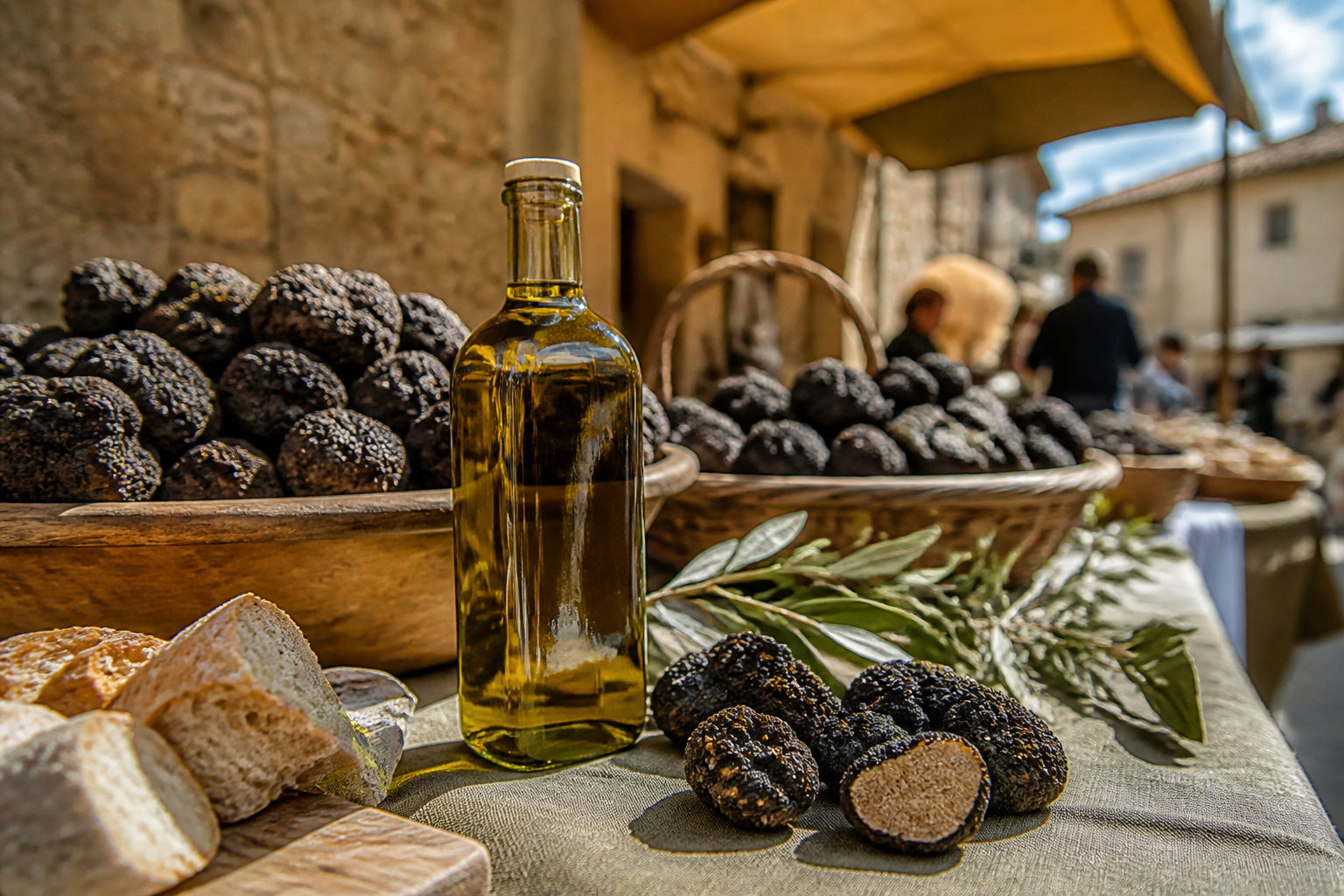
Estates often offer guided tours of the olive groves. You can learn the difference between “fruité vert” and “fruité noir” oils. Tasting directly from the source is a revelation.
The “Tuber melanosporum” is harvested from November to March. Specialized markets in Richerenches are the epicenter of this secretive, high-stakes trade.
Many estates have transitioned to organic farming. This protects the land for future generations of growers. Sustainability is a necessity.
Buy a bottle to take home. It is the best way to remember Provence.
| Specialty | Best Region | Peak Season | Flavor Profile |
|---|---|---|---|
| Black Truffle | Richerenches | Nov-Mar | Earthy, intense |
| Banon Cheese | Luberon | Spring-Autumn | Nutty, creamy |
| Lavender Honey | Sault | July-August | Floral, delicate |
| Tapenade | Ventoux | Year-round | Briny, bold |
| Candied Fruit | Apt | Year-round | Syrupy, sweet |
Embrace the timeless allure of Saignon, Le Beaucet, and Brantes to experience Provence in its purest, most tranquil form. By prioritizing seasonal timing and rural mobility, you secure a journey defined by authentic encounters and breathtaking vistas. Discover these hidden gems in Provence now to capture a serene, prestigious escape before the world catches on. Your elevated Mediterranean sanctuary awaits.
FAQ
Which periods offer the most serene experience for exploring Provence?
To truly capture the essence of Provence away from the bustling crowds, we highly recommend planning your journey during the shoulder seasons, specifically in May, June, or September. These months provide a sublime balance of mild temperatures and luminous, soft light that is perfect for photography, allowing you to wander through blooming poppies or golden vineyards in absolute tranquility.
By avoiding the sweltering heat and the dense tourist waves of mid-summer, you ensure a more intimate connection with the landscape. It is during these quiet windows that the iconic sites regain their soul, offering you a seat at a local café without the frantic rush of the high season.
Is a private vehicle essential for reaching these secluded gems?
Indeed, securing a private vehicle rental is paramount for those seeking the authentic heart of the Vaucluse and Luberon valleys. While the region is charming, public transport rarely reaches the most isolated hamlets or the hidden troglodyte dwellings of Le Beaucet; a small, manual car is often the most sophisticated choice for navigating the steep, winding limestone roads with grace.
For a truly bespoke experience, a private driver offers a level of flexibility that large coaches simply cannot match. This allows you the luxury of stopping at a random cherry orchard or a panoramic viewpoint whenever the mood strikes, ensuring your mobility is as seamless as it is exclusive.
What makes Saignon a must-visit for seekers of quietude?
Saignon stands as a vertical sanctuary, a village that defies gravity with its monumental Rocher de Bellevue. This ancient geological formation serves as a natural watchtower, offering an unparalleled 360-degree vista that stretches from the Mont Ventoux to the distant peaks of the Alps, providing a sense of profound perspective far above the valley floor.
Beyond the views, the village is a haven of architectural heritage and artisanal excellence. You may find yourself wandering past the 12th-century Romanesque church or discovering small pottery studios where creators use mineral-rich clay to craft unique stoneware, ensuring that every souvenir carries a genuine story of Provençal craftsmanship.
Where can one find the most authentic culinary treasures?
The true flavors of Provence are found far from the coastal tourist traps, residing instead in the rural truffle markets of Richerenches and the small-batch olive oil mills of the Ventoux foothills. We suggest visiting the historic market in Sault on a Wednesday morning, a tradition since 1515, to discover the purest lavender honey and seasonal specialties like the Cavaillon melon.
For a more immersive epicurean journey, private vineyards in the AOC Ventoux and Luberon regions offer tastings of robust reds and elegant whites that reflect the unique mineral character of the limestone soil. Pairing a crisp rosé with a leaf-wrapped Banon goat cheese remains one of the region’s most sophisticated and enduring sensory delights.
Are there any unusual landmarks hidden in the Provençal countryside?
Provence rewards the curious traveler with several rare landmarks that lie well beyond the traditional village square. In Saint-Cyr-sur-Mer, a surprising golden replica of the Statue of Liberty stands in a quiet square, while in Rocbaron, the “Sentier des Planètes” offers a celestial hiking path that represents the solar system on a human scale.
These sites offer a delightful contrast to the medieval stone of the region. Whether you are admiring the gleaming Bartholdi replica at sunset or stargazing at the Rocbaron observatory, these experiences provide a unique narrative layer to your journey through this storied landscape.